
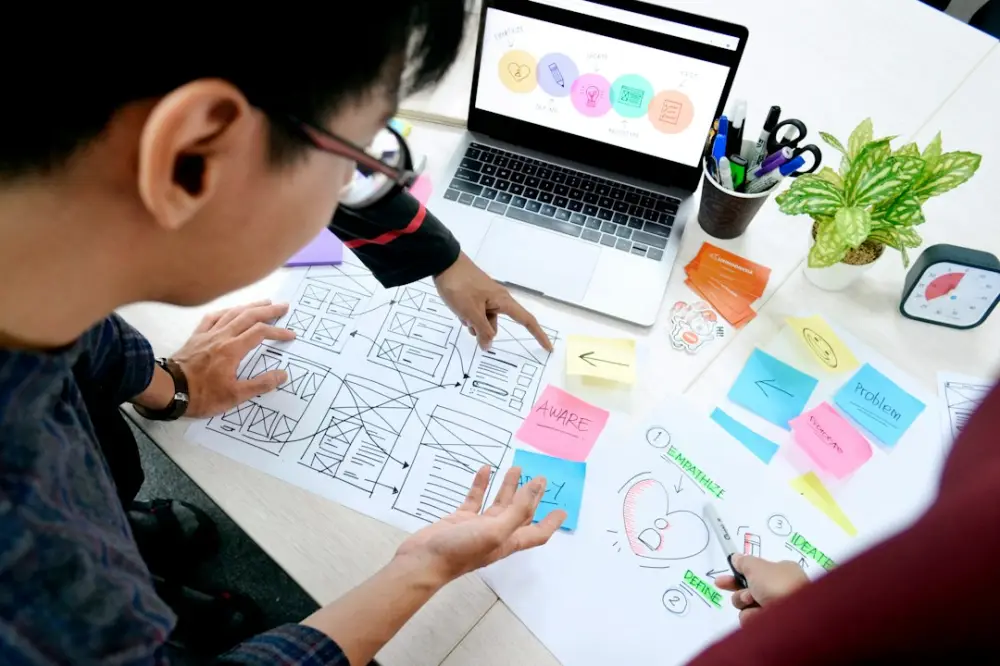
UI/UX design bootcamps are intensive, short-term training programs designed to teach students the technical skills and theoretical foundations required for careers in user interface and user experience design. These programs typically focus on hands-on projects, portfolio building, and industry-relevant tools like Figma to prepare participants for entry-level roles in the tech sector.
In 2026, the transition from static layouts to interactive, motion-heavy prototypes means bootcamps must offer more than just basic wireframing. The most effective programs now integrate accessibility standards and AI-assisted workflows directly into their curriculum, ensuring students can handle the complexities of modern product design rather than just making things look aesthetically pleasing in a vacuum.
What UI/UX design bootcamps mean
To understand these programs, one must look at them as vocational bridges. Unlike a four-year degree in graphic design or human-computer interaction, a bootcamp is a condensed sprint. It prioritizes the "how" over the "why," though the best programs in 2026 have realized that omitting theory leads to shallow portfolios. Students learn to navigate the double diamond process—discovery, definition, iteration, and delivery—while mastering software that facilitates real-time collaboration.
How it works in practice involves a mix of synchronous and asynchronous learning. You might spend a morning reviewing user research methodologies and an afternoon performing a heuristic evaluation on a live e-commerce site. This practical application is why these programs matter; they mimic the actual cadence of a product team. By the time a student graduates, they should have three to four case studies that demonstrate not just a finished UI, but the messy, iterative process of solving a user problem. This often includes applying 10 ux design principles for creating interfaces that don't just look good but function logically under stress.
Designlab UX Academy
Designlab has long been a staple for those who prefer a mentor-led approach. Their UX Academy is structured around 1-on-1 sessions with industry practitioners who work at established tech firms. In 2026, their curriculum has expanded to include deep dives into advanced prototyping and design systems management. This is particularly useful for students who want to move beyond simple mobile apps and into complex SaaS environments.
The program is divided into a foundational phase and a career-track phase. During the foundations portion, you learn the basics of visual hierarchy and color theory. Once you move into the full academy, the focus shifts to user research and information architecture. A concrete example of their project work involves taking a legacy desktop application and redesigning it for a multi-modal interface, requiring students to think about touch, voice, and keyboard navigation simultaneously. This rigor ensures that graduates aren't just "Figma operators" but thinkers who understand how to design user journeys that feel natural and reduce cognitive load.
General Assembly
General Assembly (GA) remains a powerhouse due to its massive global network and its ability to offer both full-time immersive and part-time flexible options. In 2026, GA’s UX Design Immersive has leaned heavily into the integration of AI tools within the design workflow. Students are taught how to use LLMs for generating user personas and synthetic data for initial testing phases, which is a critical skill in the current job market.
GA’s strength lies in its career services. They host frequent "meet the experts" sessions and portfolio reviews with hiring managers from local tech hubs. For example, a student in the New York cohort might participate in a mock design challenge facilitated by a lead designer from a major fintech company. This exposure to high-pressure, real-world scenarios helps demystify the hiring process. Their curriculum also emphasizes the "hand-off" process, teaching designers how to document their work so that developers can implement it without constant back-and-forth communication.
CareerFoundry
CareerFoundry is a strong choice for those who need a self-paced schedule without sacrificing human support. They offer a dual-mentor model: a tutor for day-to-day feedback on exercises and a senior mentor for high-level portfolio guidance. Their 2026 curriculum includes specialized tracks in Voice User Interface (VUI) and Frontend Development for designers, acknowledging that the boundaries between design and implementation are increasingly blurred.
A key term often discussed in CareerFoundry’s modules is "inclusive design." They go beyond basic contrast ratios, teaching students how to design for neurodiversity and motor impairments. One of their standard project formats involves auditing a public service website—like a local government portal—and redesigning the navigation to meet strict WCAG 2.2 standards. This focus on the fundamentals of web accessibility ensures that students are prepared for the legal and ethical requirements of modern digital products.
Memorisely
Memorisely has carved out a niche by focusing on "micro-learning" and live, remote classes that take place entirely within Figma. Unlike other bootcamps that rely on pre-recorded videos, Memorisely is built on real-time interaction. This approach is highly effective for learning the nuances of component properties, auto-layout, and variables—features that change frequently in design software.
In 2026, they have introduced a "Product Design Systems" bootcamp that specifically targets the needs of mid-level designers looking to specialize. For beginners, their core UX/UI bootcamp focuses on the speed and efficiency of the design process. A practical tip for students here is to master their keyboard shortcuts early; the pace is fast, and the instructors emphasize a "zero-waste" workflow. By working in a shared Figma file with other students, you learn the collaborative habits required in a modern remote-first company.
Ironhack
Ironhack is known for its high-energy, intensive environment. With campuses across Europe and the Americas, it offers a cultural breadth that many US-centric programs lack. Their 2026 curriculum has a unique focus on "Growth Design," teaching students how to use UX metrics and A/B testing data to drive business outcomes. This makes their graduates particularly attractive to startups and scale-ups where design is closely tied to conversion rates.
A common misconception about bootcamps like Ironhack is that they only teach the "pretty" side of design. On the contrary, students spend a significant amount of time on the "How it works" phase, which involves mapping out complex logic flows and state changes. For instance, a student might spend an entire week just on the edge cases of a checkout flow—what happens when a card is declined, or when a user tries to apply two conflicting discount codes? This level of detail is what separates a student project from a professional-grade product.
Avocademy
Avocademy has gained popularity as one of the most affordable and accessible entry points into the industry. Their model is built around a foundational course followed by a "Career Jumpstart" program where students work on real-world projects for actual clients. In 2026, this real-world experience is more valuable than ever, as the market for junior designers is highly competitive.
The program emphasizes the importance of the "UX Audit." Students learn to take an existing, underperforming app and use data—from tools like Hotjar or Google Analytics—to identify friction points. A practical scenario might involve a student working with a non-profit to improve their donation flow. This provides the student with a case study backed by real metrics, which is a powerful asset during interviews. It also teaches the key term "stakeholder management," as students must explain their design decisions to clients who may not have a technical background.
How this relates to UI/UX and Product Design
The distinction between UI/UX design and Product Design has become increasingly thin. While a bootcamp might focus on the specific skills of interface and experience, the ultimate goal is to produce designers who understand the entire product lifecycle. This includes the business goals, the technical constraints, and the human needs that drive a successful release. A common misconception is that a bootcamp is a silver bullet; in reality, it is the beginning of a continuous learning process. The industry moves too fast for any single course to cover everything.
When choosing a program, consider the "Practical tips" often overlooked: look for bootcamps that force you to defend your work verbally. In a professional setting, you will spend as much time explaining your designs to stakeholders as you will spent creating them. Key terms like "information architecture," "usability testing," and "responsive design" are not just buzzwords; they are the pillars of a functional digital ecosystem. According to the U.S. Bureau of Labor Statistics, the demand for web and digital interface designers continues to grow as companies prioritize digital transformation.
At Glissement, we believe that the best design education focuses on the friction-less movement between a user's intent and their goal. Whether you choose a mentor-led program or a fast-paced immersive, the focus should always remain on creating accessible, intuitive interfaces. UI/UX design bootcamps provide the tools, but the mindset of a designer—one that values clarity and natural user journeys—is what truly defines a successful career in this niche.