User-Centered Design
Creating Interfaces That Feel Natural
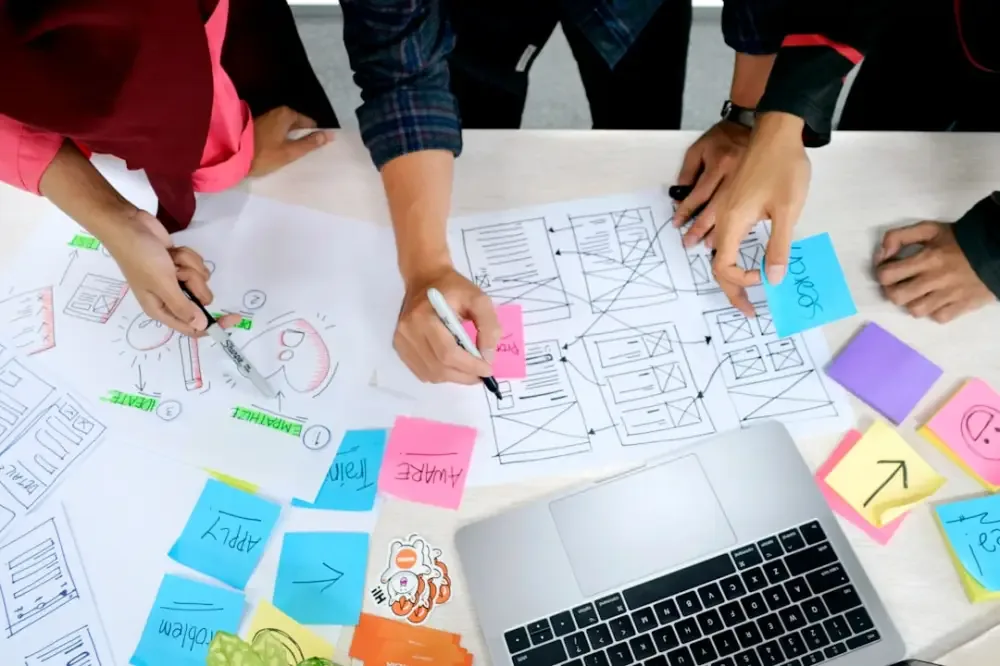
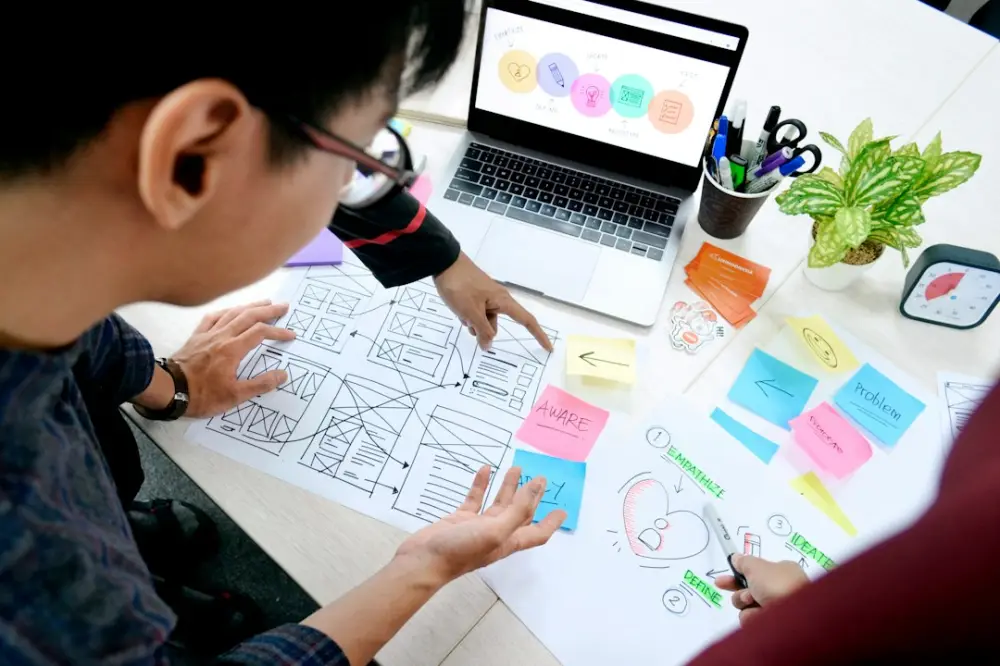
User-centered design places the needs of the user at the core of every decision. Glissement explores how interfaces can be designed to feel intuitive from the very first interaction. When users don’t have to think about how to navigate, the experience becomes more efficient and satisfying.
Effective user-centered design often includes:
- Clear and simple navigation structures
- Consistent layouts and patterns
- Predictable user interactions
- Minimal friction between actions
- Accessible and readable content
By applying these principles, digital experiences become easier to understand and more enjoyable to use.
Interaction Design
The Importance of Smooth Transitions
Transitions are a critical part of how users experience digital products. From page changes to micro-interactions, every movement helps communicate what is happening on the screen. Glissement emphasizes the importance of smooth transitions in improving usability and guiding user attention.
Well-designed interactions help:
- Indicate changes between states
- Provide feedback on user actions
- Create a sense of continuity
- Improve overall navigation flow
Without these elements, interfaces can feel disconnected or confusing. Smooth transitions help bring structure and clarity to digital experiences.

Explore UX Insights
Start Designing Better User Experiences
Explore UX principles, usability strategies, and interaction design ideas that help create smoother, more effective digital experiences.
Why UX Matters
Benefits of a Seamless Experience
A seamless user experience reduces friction, improves usability, and helps users interact with digital interfaces more naturally. When design flows smoothly, it enhances clarity, engagement, and overall satisfaction.
Faster Interaction
Users complete tasks more efficiently with intuitive design.
Better Understanding
Clear structure helps users process information easily.
Improved Accessibility
Thoughtful design supports a wider range of users.
Higher Engagement
Smooth experiences encourage users to stay longer.
Consistent Navigation
Predictable layouts reduce confusion.
Polished Interface
Refined details create a professional feel.
Increased Retention
Better experiences lead to returning users.
Connected Journeys
Each interaction flows naturally into the next.
Better UX Starts Here
Turn Complex Interfaces Into Simple Experiences
Simplify user journeys, reduce friction, and improve usability with practical UX design insights. Glissement helps you build experiences users actually enjoy.
Practical UX Improvements
Simple Ways to Enhance Digital Experiences
Improving user experience doesn’t always require major redesigns. Small, thoughtful adjustments can make a significant difference. Glissement highlights practical ways to refine digital interactions and create smoother experiences.
Some effective improvements include:
- Reducing unnecessary steps in user journeys
- Using clear visual hierarchy for better readability
- Ensuring fast loading and responsive design
- Providing immediate feedback on actions
- Keeping layouts consistent across all pages
These small changes help reduce friction and create a more natural flow for users.


Adaptable Design
Built for Modern Digital Environments
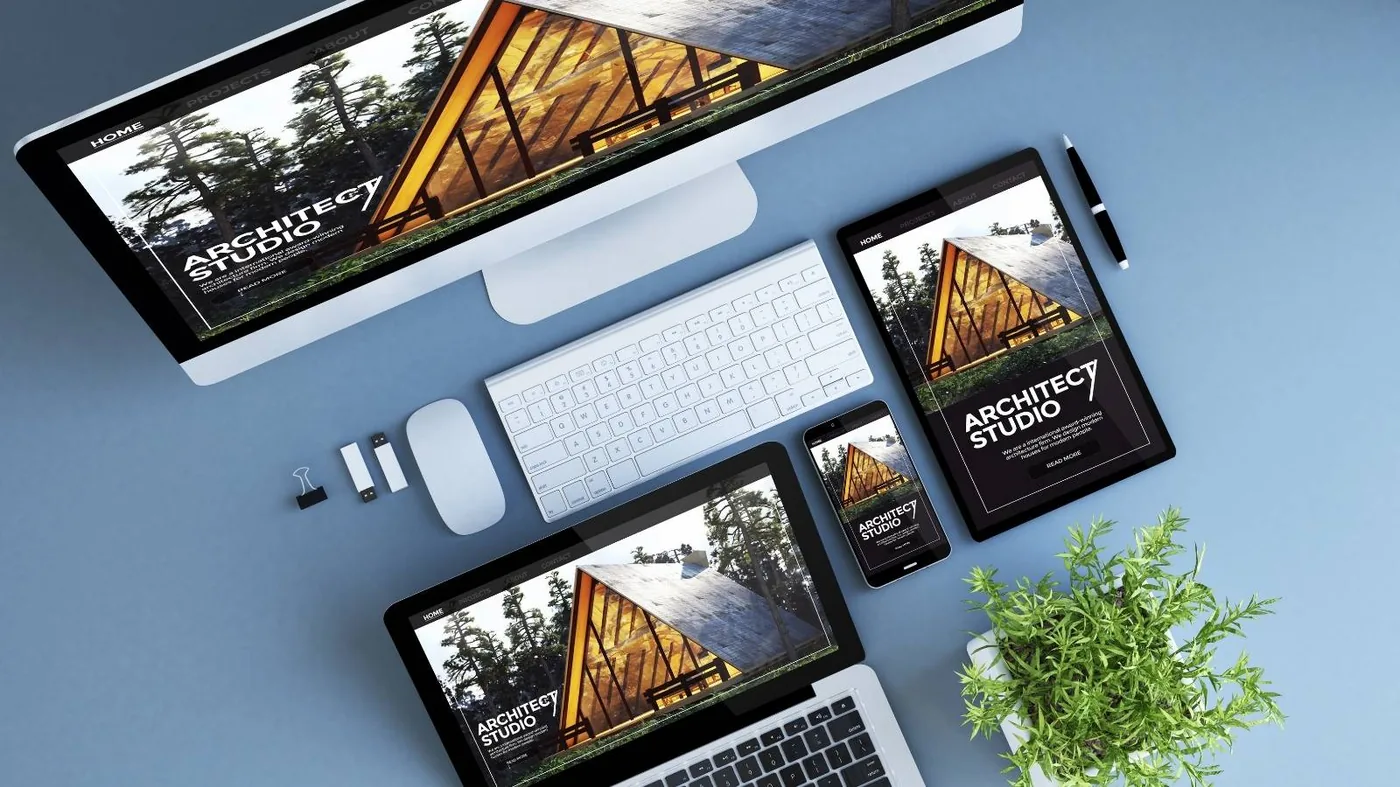
Modern users access content across multiple devices and platforms. Glissement focuses on adaptable design approaches that ensure consistency across different screen sizes and environments. A seamless experience should feel natural whether on desktop, tablet, or mobile.
Flexibility in design allows digital experiences to remain effective even as user behavior evolves. By focusing on responsiveness and adaptability, interfaces can maintain clarity and usability in any context.
Frequently Asked Questions
Answers to common questions.
A: Glissement focuses on user experience (UX) and digital interaction design. It highlights practical ideas and principles that help create smooth, intuitive, and user-friendly digital experiences.
A: User experience (UX) design is the process of improving how users interact with digital products. It focuses on usability, accessibility, and creating interfaces that are easy to navigate and understand.
A: UX plays a key role in how users perceive and interact with a product. A well-designed experience helps users complete tasks efficiently, reduces frustration, and improves overall satisfaction.
A: A good user experience is simple, clear, and intuitive. It typically includes consistent design, easy navigation, fast performance, and smooth interactions that guide users naturally.
A: Smooth transitions refer to animations and visual changes that help users understand what is happening on the screen. They improve flow, provide feedback, and make interactions feel more natural.
A: Glissement is designed for designers, developers, product teams, and anyone interested in improving digital experiences through better UX and usability principles.
Designing user journeys that feel natural and intuitive is essential for…
Website usability plays a critical role in how users interact with your site.…
Creating seamless digital experiences is at the heart of effective UX design.…
Ready to Create Seamless Experiences?
Learn how smooth transitions and intuitive design can transform the way users interact with your product.
© 2026 Glissement. All rights reserved.